Phuket’s skyline has changed a lot over the last decade: glass-fronted towers, low-rise boutique blocks, and hillside developments have reshaped beachfronts and neighborhoods. If you’re scanning listings and thinking about condos for sale in Phuket, it helps to understand how condominiums legally, financially, and practically differ from villas, houses, or bare land. This article walks through those differences in plain language, with practical examples and a few hard-earned observations from years of visiting properties on the island.
Phuket real estate: a quick orientation
Phuket is diverse geographically and demographically. From the bustling beaches of Patong to the quieter coves around Nai Harn, each area attracts a different type of buyer—investors, retirees, holiday homeowners, and full-time residents.
That variety influences both price and product. Developers tailor condos to short-stay tourists in some districts, while in others they design long-term living spaces with family-friendly layouts and communal gardens.
What counts as a condominium under Thai law?
A condominium in Thailand is a building divided into units that can be individually owned, with shared common areas and an established juristic person to manage the property. The Condominium Act sets rules about unit titles, common area governance, and the way ownership is recorded at the Land Office.
One of the most important legal differences is foreign ownership: Thai law allows foreigners to own condominium units freehold, provided foreign ownership in the building does not exceed 49 percent of the total unit area. This single rule changes the playing field when comparing condos to other property types in Phuket.
Freehold unit titles and foreign buyers
Condos offer a clear path to freehold ownership for many non-Thai buyers. When you buy a unit as a foreigner, the title deed records you as the owner of that unit outright—subject to the condominium’s common areas and rules.
To qualify, funds must be transferred into Thailand as foreign currency through a Thai bank and documented on a Foreign Exchange Transaction form (FET). This paperwork is crucial for the Land Office transfer and is often a checklist item on any condo purchase.
How condo ownership differs from houses, villas, and land
Ownership structure is the headline difference. Foreigners generally cannot own land in their name in Thailand, which makes houses and villas—typically sold with land ownership—legally more complicated for non-Thai buyers. Condominiums, in contrast, are one of the simplest routes to secure title.
Beyond legal title, the living experience and responsibilities are different. Villas usually come with private land, greater separation from neighbors, and full responsibility for maintenance. Condos trade private outdoor space for shared amenities, less exterior maintenance, and a formal management system.
Table: quick comparison of property types
| Characteristic | Condominium | Villa/House | Land |
| Foreign ownership | Yes (up to 49% freehold per building) | Generally no (leasehold or company structure) | Generally no |
| Maintenance responsibility | Shared, managed by juristic person | Owner responsible | Owner responsible |
| Amenities | Common pools, gyms, security | Private—depends on property | None unless developed |
| Privacy | Moderate (shared spaces) | High | High |
| Typical upfront cost | Lower per sqm than luxury villas | Higher (land cost included) | Variable |
| Rental flexibility | High for holiday rentals (depending on house rules) | High but may need management | Requires development |
Management, rules, and monthly fees
Condo living comes with organized management. The juristic person—essentially the building’s management committee—oversees common-area upkeep, security, and enforcement of community rules. That structure provides convenience but also introduces monthly financial obligations.
Buyers pay a one-time sinking fund contribution and recurring common area fees that cover cleaning, landscaping, lifts, security, and utilities for shared spaces. Fees vary widely by development quality, size of unit, and included services, but they exist wherever communal facilities are present.
Rules you’ll need to follow
Condo regulations vary. Some developments are strict about long-term rentals, short-term holiday lets, pets, or even hours for noise. Others are flexible and built specifically for the tourist rental market.
Before committing, request the building’s by-laws and rental policies. If you plan to rent your unit, confirm whether the development allows short-term rentals and whether the management can impose additional charges for frequent turnover.
Amenities and lifestyle: what you gain with a condo
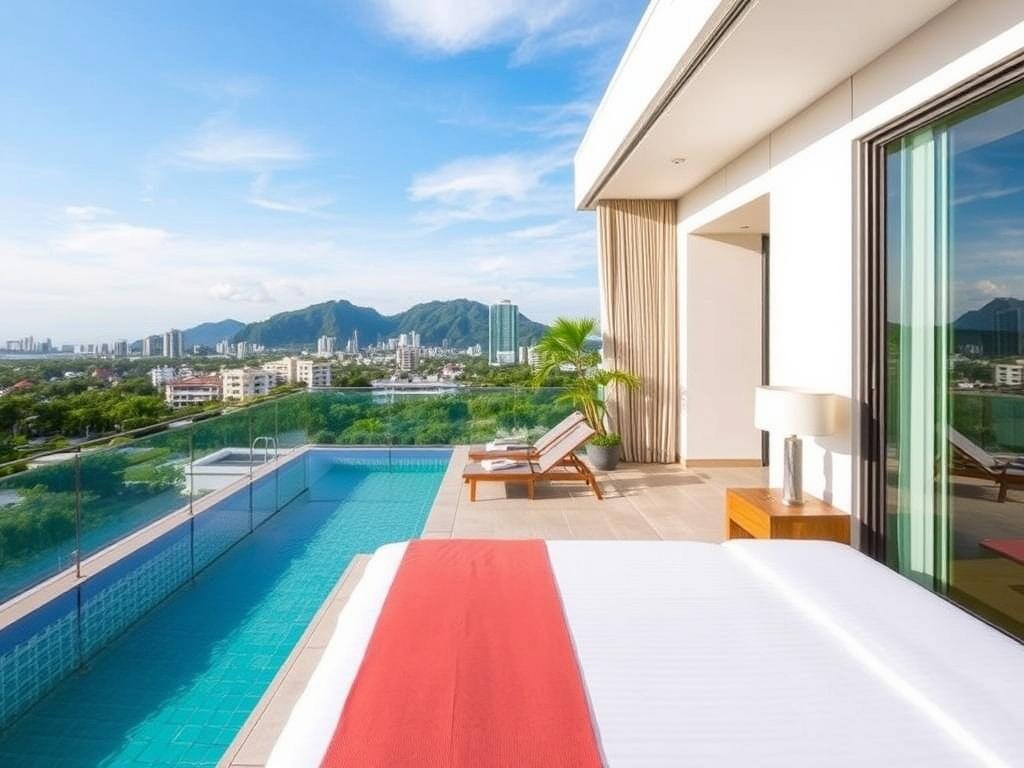
One of the most attractive aspects of condos in Phuket is the lifestyle package. Pools, fitness centers, reception services, 24-hour security, and concierge services are common and save owners the time and expense of organizing those services themselves.
For people who split time between countries, a low-maintenance environment with on-site management is a big advantage. The building takes care of landscaping, plumbing in common areas, lift maintenance, and sometimes even rental management if you choose that route.
Community and convenience
Condos often create instant communities. Common spaces encourage social contact, and buildings may host residents’ events. For many buyers, especially those moving from abroad, that social structure eases the transition into island life.
Additionally, condos in central or beachfront locations put you closer to restaurants, shops, and transport links. That convenience is part of the premium many buyers are willing to pay.
Costs beyond the purchase price: taxes and fees to expect
Buying property in Thailand triggers several fees at transfer and over time. Typical transactions include a land office transfer fee, a registration or stamp duty in certain cases, and sometimes a specific business tax depending on the seller’s circumstances.
Commonly encountered items are a transfer fee (calculated on the registered value), specific business tax if the seller is a company or the property is sold within a certain period, and stamp duty as an alternative to the business tax. Additionally, buyers should prepare for ongoing juristic fees and utility bills.
Financing and mortgages for foreigners
Local banks sometimes provide mortgages to foreigners, but terms and availability differ widely. Requirements often include a larger down payment, documented stable income, and property appraisal. Interest rates have historically been higher for non-residents than for Thai nationals.
Many buyers use a mix of personal savings, loans from banks in their home country, or developer financing. When considering financing, factor in currency risk, repayment terms, and whether the bank permits rental income to be used in the loan assessment.
Resale value and rental potential
Condos can perform well as rental investments in Phuket because the island is a major tourist destination with a steady flow of visitors. The rental yield depends on location, unit size, finish quality, and whether the property targets short-stay holiday bookings or long-term tenants.
Resellability is also influenced by the proportion of foreign freehold in the building, the developer’s reputation, and the condition of the common areas. High-quality management and well-maintained shared facilities support higher resale values.
Short-term rentals vs. long-term leases
If you plan to monetize a unit through short-term rentals, double-check the development’s policy and local zoning rules. Some buildings cater to tourists and have systems in place for frequent guest turnover; others restrict short-term letting to preserve residential amenity.
Long-term rentals tend to be more stable but yield lower monthly income. In practice, many owners adopt a mixed strategy—rent short-term during peak tourist months and offer long-term leases in the low season.
Location matters: matching a condo to your lifestyle and goals
Phuket’s neighborhoods are distinct. Patong is energetic and tourist-driven; Kamala and Surin offer quieter beachfront living with upscale developments; Phuket Town blends culture and city amenities; and southern beaches like Nai Harn attract families and expats seeking a calmer life.
When considering condos for sale in phuket, align your location choice with your priorities: rental yield, family life, nightlife access, or tranquility. A property near a major beach will behave differently in both rental demand and price volatility than a unit in a suburban mountain community.
Transport, services, and future development
Accessibility to the airport, hospitals, international schools, and shopping centers affects both living comfort and resale value. New infrastructure projects—road upgrades or retail developments—can boost neighborhood appeal, but they can also bring temporary disruption.
Watch local planning news and speak with residents or agents who have long-term knowledge of the area. Anecdotal insights can reveal trends that aren’t yet reflected in listing prices.
Due diligence: steps every buyer should take
Buying any property in Thailand requires careful checks. For condos, insist on seeing the unit’s title deed, the building’s condo certificate, juristic person account statements, and the minutes of recent owner meetings if available. These documents reveal the building’s legal status, financial health, and upcoming maintenance plans.
Check whether there are any outstanding special assessments, pending litigation, or restrictions on rental activity. Also confirm whether all utilities and services are in good working order and whether the developer has handed over full responsibility to the juristic person.
Practical purchase process
- Search and shortlist units with a reputable agent or developer.
- Inspect the unit and communal facilities in person or through a trusted proxy.
- Negotiate price and terms, including who pays transfer taxes and possible furniture inclusions.
- Sign a reservation agreement and pay a deposit; specify conditions for refund and timeframe to complete the sale.
- Complete paperwork at the Land Office: bring passport, FET documentation for foreign buyers, and required funds.
- Record the transfer, pay agreed fees, and request copies of the new title deed and the juristic person register.
Having a reliable lawyer and an accountant familiar with Thai property transactions will save time and reduce risk. They can verify the documents, advise on tax implications, and handle translations if needed.
Common pitfalls and how to avoid them
One frequent mistake is assuming a condo’s advertised “freehold” status guarantees hassle-free ownership. Even with a clean title, hidden liabilities like unpaid utility bills or a depleted sinking fund can become your problem as an owner. Ask to see juristic person financials and recent maintenance records.
Another trap is assuming all condos allow short-term rentals. Developers target different markets; a pristine beachfront block may ban short lets to preserve residential character while an apartment near Patong might be designed for tourists. Confirm the rules in writing.
A personal perspective from property viewings
I’ve toured dozens of developments in Phuket, from compact studio blocks to five-star resort complexes. The difference between a well-managed mid-rise and a poorly run luxury tower is striking—clean common areas and responsive management translate into better long-term value more than a fancy lobby ever will.
When I advise friends who are considering condos for sale in phuket, I push them to prioritize management quality and location over short-term bargains. A modest unit in a well-run building near services usually outperforms a flashy unit in a problem-plagued development.
Who benefits most from buying a condo?
Condos suit a range of buyers: retirees seeking low-maintenance homes, investors looking for rental income, expatriates who need a convenient base, and buyers who want a legal freehold title as foreigners. The convenience of shared services and central locations appeals to many.
By contrast, buyers seeking privacy, large private gardens, or the prestige of land ownership might prefer villas or house-and-land packages—though these choices often demand more legal maneuvering for non-Thai buyers.
Pros and cons list
- Pros: Clear foreign ownership route, lower maintenance effort, communal amenities, central locations, easier rental management.
- Cons: Less privacy, monthly fees, possible restrictions on rentals or pets, dependency on the juristic person for upkeep and decisions.
Negotiation strategies and pricing nuances
Pricing in Phuket can be negotiable, particularly in a buyer’s market or for off-plan units nearing completion. Sellers often expect bargaining, and developers are willing to offer incentives like reduced transfer fees or furnishing packages.
When composing offers, consider non-price concessions as bargaining chips: a seller cover for transfer taxes, inclusion of furniture, or extension of payment milestones. Those concessions can deliver tangible savings without adjusting the headline price.
Practical checklist for viewing condos for sale in phuket
Before you visit a unit, prepare a checklist. Items should include: the condition of finishes, signs of damp or plumbing issues, lift functionality, pool and gym condition, security measures, parking availability, noise from nearby roads or bars, and the appearance of communal corridors and gardens.
Request to see the title deed and proof of foreign fund remittance if the unit is sold to a non-Thai seller. Also, ask for recent juristic person accounts and the minutes of the last owners’ meeting to learn about upcoming repairs or assessments.
Leveraging a condo for life and income: management options
Many owners choose professional property management to handle bookings, cleaning, and guest services. A good management company can boost occupancy rates and reduce the day-to-day burden of running a rental, but it’ll charge a commission that affects net income.
Alternatively, some owners combine short-term rentals with occasional personal use. That hybrid approach works well if the building allows short lets and the owner keeps a local contact or property manager to handle turnovers and maintenance.
Understanding market cycles and timing your purchase
Phuket’s market follows tourism cycles, regional economic conditions, and international travel trends. Prices often dip during periods of reduced tourist arrivals and recover as visitor numbers return. Long-term buyers benefit from looking beyond short-term volatility and focusing on fundamentals like location and management quality.
If timing is important—for example, buying before a planned infrastructure upgrade—it’s worth spending time researching local development plans and consulting multiple agents for insight about upcoming projects.
Legal and tax planning tips for foreign buyers
Work with a lawyer who specializes in Thai property law to structure the purchase correctly. Legal advice helps avoid risky ownership setups—like mismanaged company ownership structures that can attract scrutiny—or leases that don’t properly protect the buyer’s interests.
Also get tax advice. How you hold the property and whether you rent it out affects your tax obligations both in Thailand and in your home country. A tax specialist can help you navigate withholding taxes, corporate implications, and reporting requirements.
Final thoughts on choosing a condo in Phuket
Condos offer a unique combination of accessibility, legal clarity for foreigners, and lifestyle amenities that many buyers find attractive. They remove the complexity of land ownership and concentrate the responsibilities of upkeep into a managed system, which suits people who travel frequently or prefer simpler living arrangements.
If your priorities include legal simplicity, proximity to services, and a turn-key residential experience, then exploring condos for sale in Phuket makes practical sense. To compare available options and review current listings, visit https://papayaproperty.com/collections/apartments-for-sale. Take your time, do the paperwork, and choose a development with transparent management and a track record of proper maintenance. That approach will protect value and preserve the pleasure of island living for years to come.
Читайте далее: