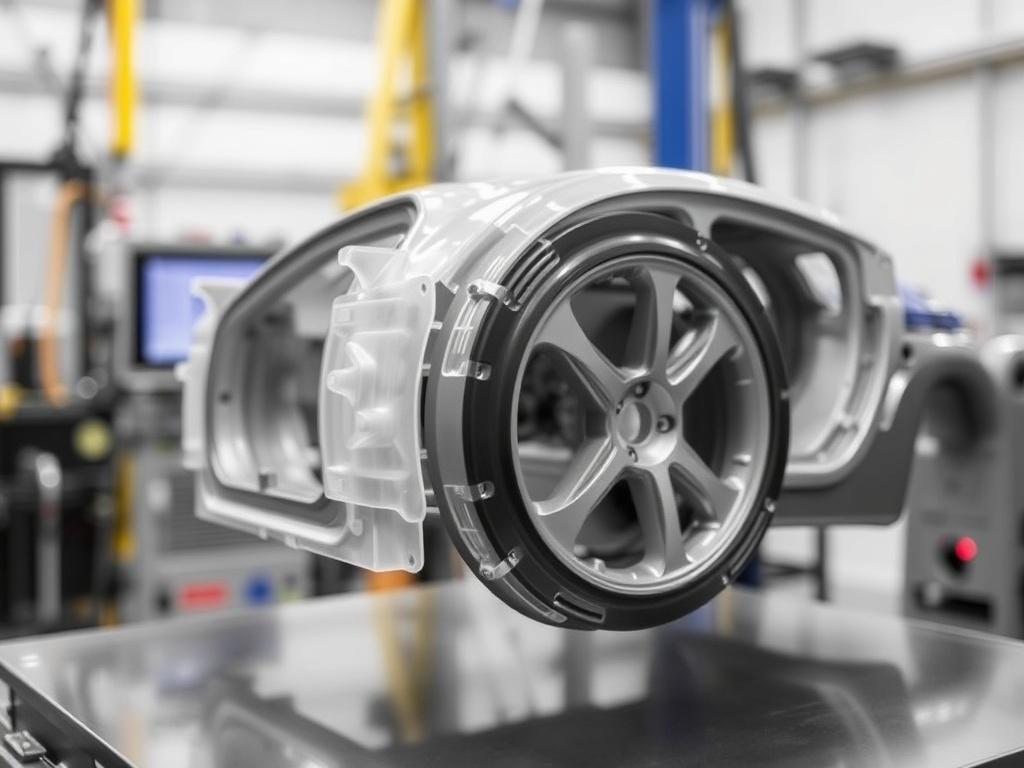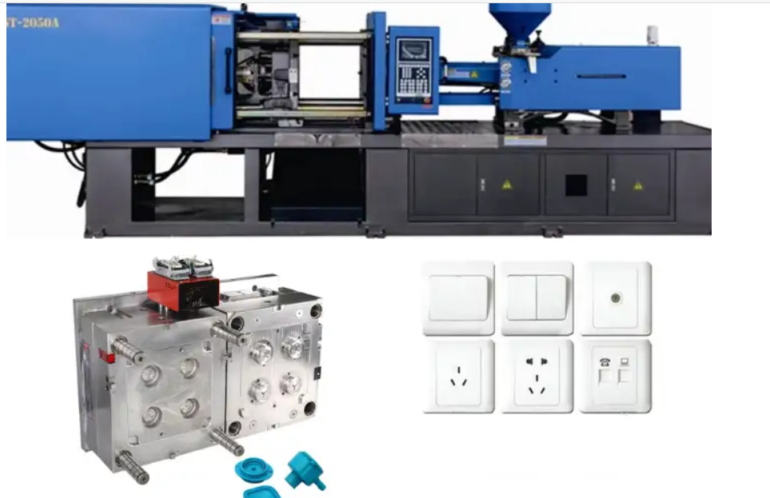
The consumer electronics industry depends heavily on precision, durability, and consistent production quality. From smartphones and wearable devices to smart home equipment and audio products, manufacturers rely on custom plastic injection molding to create components that meet strict design and performance standards.
With the rapid evolution of electronic products, injection molding has become one of the most efficient manufacturing processes for producing complex plastic parts at scale.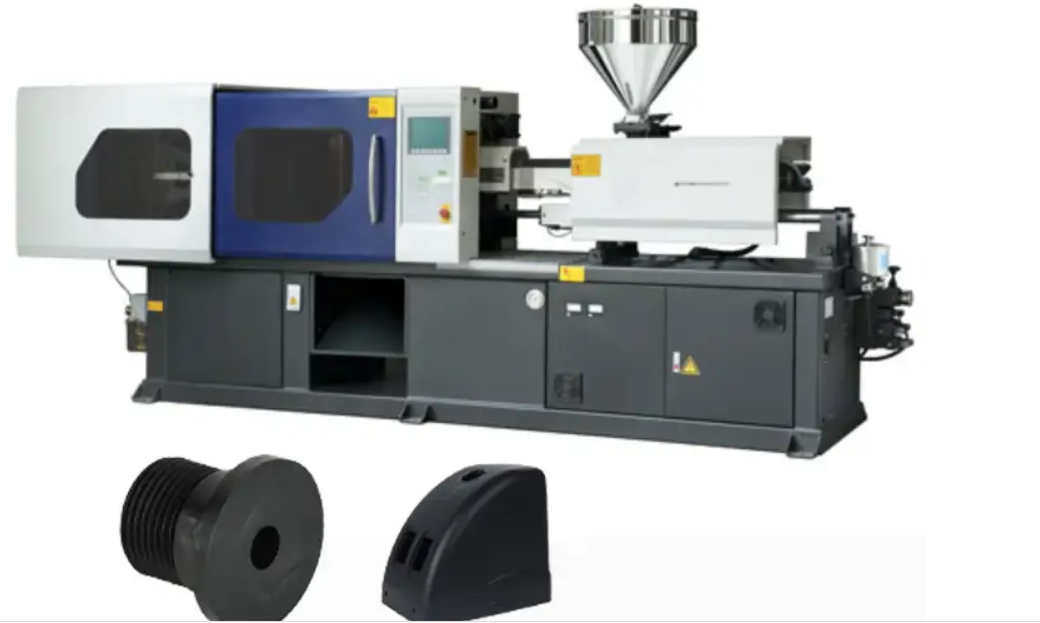
Custom injection molding enables LZ Tooling manufacturers to design lightweight yet strong housings, connectors, internal brackets, and protective components. These parts must meet tight tolerances while maintaining aesthetic quality and durability, making plastic injection molding for electronics a crucial part of modern product development.
Why Injection Molding Is Ideal for Consumer Electronics
Consumer electronic devices require components that are both precise and repeatable. Injection molding manufacturing allows engineers to produce identical plastic parts in large volumes while maintaining consistent quality.
Several advantages make this process particularly suitable for electronic products:
- High dimensional accuracy for small components
- Efficient mass production for global electronics markets
- Excellent surface finish for visible device housings
- Material versatility for different functional requirements
These benefits allow manufacturers to produce parts such as smartphone casings, keyboard components, remote control housings, and laptop structural frames.
Key Plastic Materials Used in Electronics Injection Molding
Selecting the right material is critical when producing plastic components for electronic devices. Many plastics used in this sector must meet requirements for heat resistance, electrical insulation, and mechanical strength.
Common materials include:
|
Material |
Key Properties |
Typical Application |
|
ABS |
Impact resistance and good surface finish |
Phone housings and remote controls |
|
Polycarbonate (PC) |
High strength and transparency |
Protective covers and optical parts |
|
PC/ABS blends |
Balanced strength and moldability |
Laptop casings |
|
Nylon (PA) |
Wear resistance and durability |
Connectors and mechanical parts |
|
PBT |
Electrical insulation and dimensional stability |
Electronic connectors |
These materials allow custom injection molding manufacturers to meet both structural and aesthetic requirements in modern consumer electronics.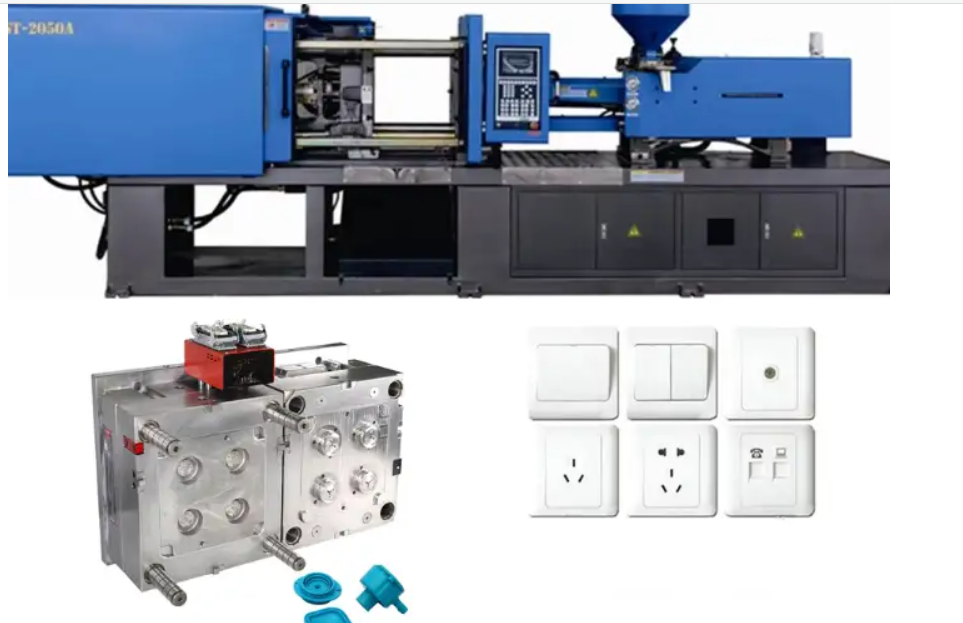
Precision Tooling and Mold Design
The success of custom plastic injection molding largely depends on high-quality mold design and tooling. Injection molds for electronic components must accommodate extremely tight tolerances because even minor dimensional errors can affect device assembly.
Mold engineers typically focus on several critical design elements:
- Gate location optimization to ensure uniform plastic flow
- Cooling channel design to reduce cycle time
- Ventilation systems to prevent trapped air defects
- High-precision cavity machining for complex part geometry
Advanced tooling methods allow manufacturers to produce intricate components such as thin-wall housings and micro-connectors used in portable electronics.
Production Efficiency and Cost Advantages
One of the major benefits of plastic injection molding for consumer electronics is the ability to produce large volumes of parts with minimal unit cost. Once the mold is developed, the manufacturing process becomes highly automated.
Key efficiency advantages include:
- Short production cycles
- High repeatability across production batches
- Reduced material waste
- Scalable manufacturing capacity
These advantages make injection molding the preferred production method for companies producing millions of electronic devices each year.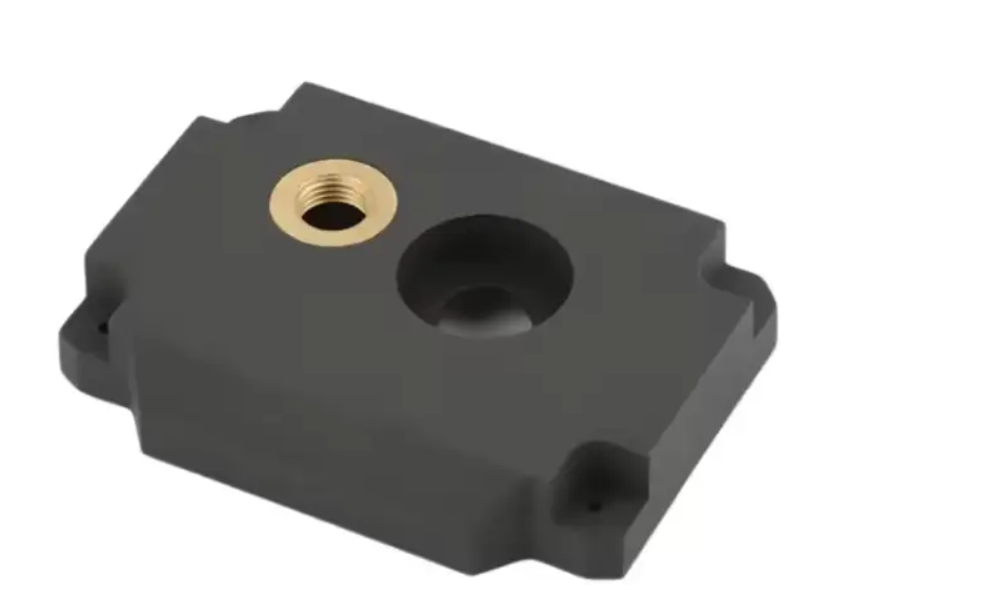
Surface Finishing and Product Aesthetics
Consumer electronics products are highly design-driven. As a result, the visual quality of plastic parts is just as important as their structural performance.
Injection molding allows manufacturers to achieve various surface finishes, including:
- Glossy or matte textures
- Laser-etched patterns
- Mold-in logos and branding
- Soft-touch coatings
These finishing options enable manufacturers to create visually appealing products while maintaining structural durability.
Quality Control in Electronics Injection Molding
Because electronic components must function reliably under different conditions, quality control plays an essential role in the injection molding process.
Manufacturers often implement strict testing procedures such as:
- Dimensional inspection using coordinate measuring machines (CMM)
- Material verification tests
- Mold flow analysis validation
- Functional testing during assembly
These measures help ensure that plastic parts meet industry standards for reliability and performance.
Future Trends in Plastic Injection Molding for Electronics
As consumer electronics continue to evolve, injection molding technology is also advancing. Manufacturers are increasingly adopting precision micro-molding, automated production systems, and advanced materials designed specifically for electronic applications.
New developments include flame-retardant polymers, lightweight composite plastics, and improved mold cooling technologies that shorten production cycles. These innovations allow manufacturers to produce more sophisticated components while maintaining cost efficiency.
Читайте далее: