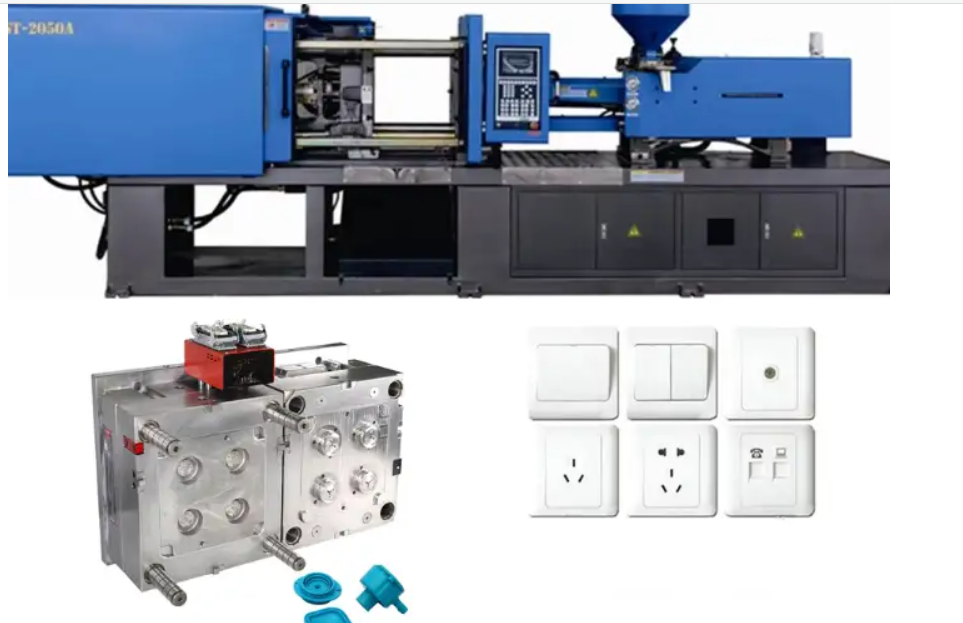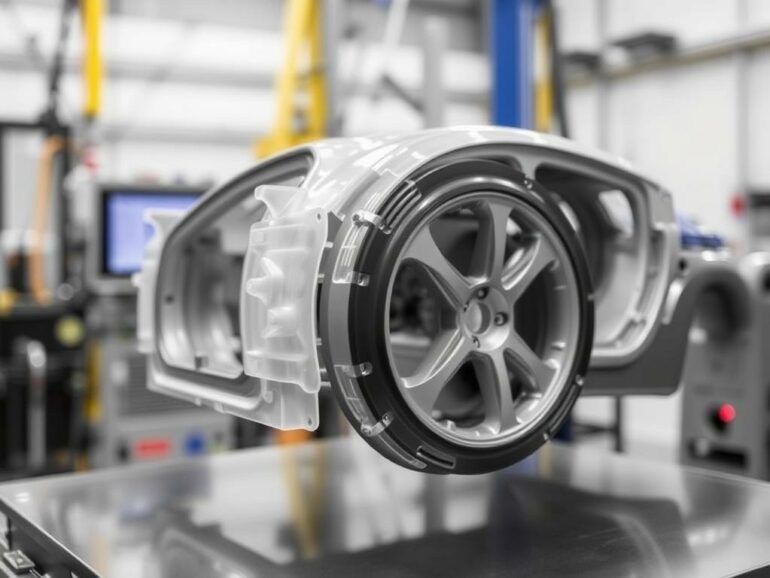
The Role of Plastic Injection Molding in Automotive Manufacturing
Plastic injection molding has become a cornerstone in modern automotive manufacturing. Companies rely on this technology to produce high-quality molded parts that meet stringent durability and safety standards. Using materials such as ABS, PMMA, and PEEK, manufacturers can deliver components ranging from interior panels to structural brackets.
By leveraging prototype injection molding, engineers can validate designs quickly before committing to large-scale production. This reduces development cycles by 30–40%, allowing faster market entry.
Optimizing Production for Low Volume and Complex Components
In the automotive sector, flexibility is critical. Low volume production enables OEMs to test new designs and respond to market changes efficiently. Advanced molding techniques, including multi-cavity molds and conformal cooling channels, improve cycle times while maintaining dimensional accuracy.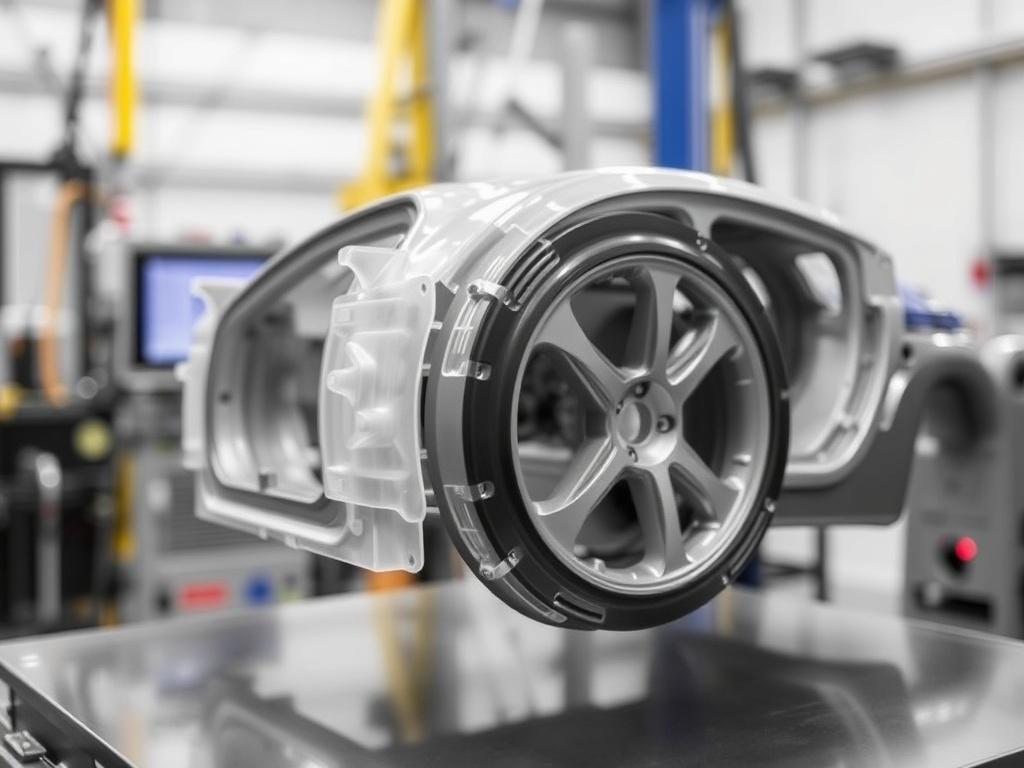
For example, producing a set of custom dashboard panels may require tolerances within 0.05 mm, achievable through precise mold engineering. Competitors like Protolabs, LZ Tooling, and Xometry also employ rapid prototyping methods, highlighting the industry’s trend toward agile manufacturing solutions.
Application of Advanced Tooling for Performance and Durability
Achieving long-term performance in automotive components demands rigorous tooling standards. High-quality molds ensure consistent wall thickness, minimize sink marks, and enhance part strength. Techniques such as injection overmolding or multi-material molding allow manufacturers to combine rigidity and aesthetic finishes in a single process. In real-world applications, side-impact panels produced using these techniques show up to 20% higher energy absorption compared to traditional single-material parts. These improvements directly translate into enhanced vehicle safety and customer satisfaction.
Balancing Cost, Speed, and Quality in Automotive Plastic Production
Automotive companies face the challenge of delivering high-performance components while controlling costs. Efficient mold design and automation of injection processes can reduce material waste by 15–25%.
Benchmarking against industry leaders like RCO Engineering, EVCO Plastics and LZ Tooling, demonstrates how optimized cycle times and precision molds yield faster throughput without sacrificing quality.
Integrating digital simulations during mold development also mitigates risk and ensures that low-volume prototypes accurately reflect mass-production performance.
Future Trends and Industry Outlook
The automotive industry continues to adopt sustainable materials and lighter, more durable plastics. Advanced tooling technologies enable manufacturers to implement high-precision molding for complex geometries, supporting innovations in electric vehicles and autonomous systems.
With the combined benefits of reduced lead times, enhanced part quality, and design flexibility, companies employing these methods are well-positioned to maintain a competitive edge. By applying proven molding strategies, businesses can consistently meet both functional requirements and aesthetic expectations in automotive plastic components.
Читайте далее: